

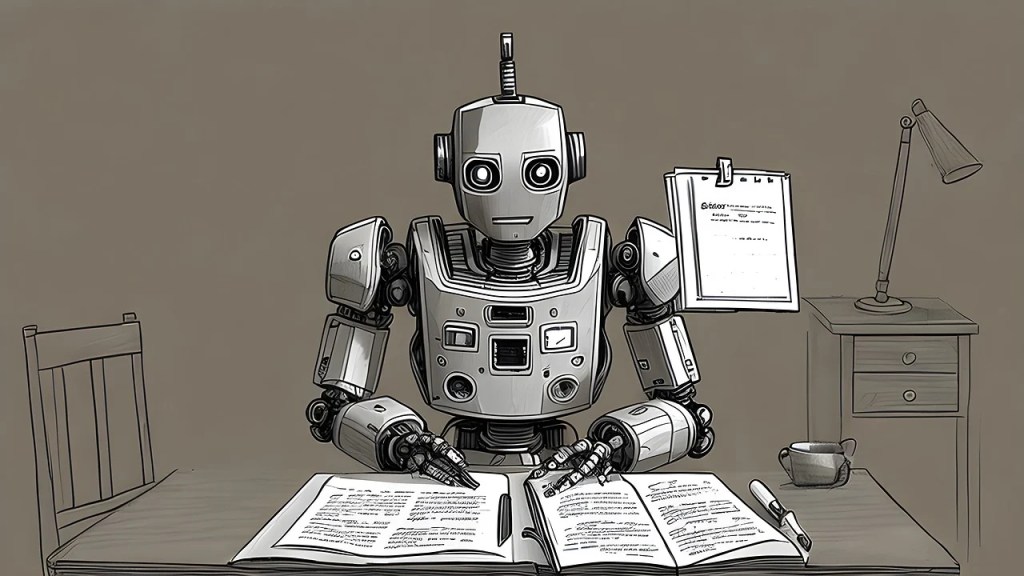
Introduction : Artificial Intelligence (AI) has made significant strides in recent years, transforming various industries and aspects of human life. As we look ahead, the future of AI promises even more groundbreaking developments that will reshape our world in ways we can only imagine. In this blog post, we’ll delve into some of the exciting possibilities and potential challenges that lie ahead on the journey of AI advancement.
- AI-Powered Automation:
The integration of AI into various sectors is set to accelerate automation, making processes more efficient and cost-effective. Industries such as manufacturing, logistics, and customer service will witness AI-driven robots and systems working alongside humans, improving productivity and reducing errors. - Personalized Experiences:
Future AI systems will possess an unprecedented ability to understand individual preferences and behaviors. This will lead to hyper-personalized experiences in fields like marketing, healthcare, and entertainment. AI-driven recommendations will become even more accurate, enhancing user satisfaction. - Healthcare Revolution:
AI is poised to revolutionize healthcare by aiding in early disease detection, drug discovery, and personalized treatment plans. Machine learning algorithms will analyze vast amounts of medical data, leading to quicker and more accurate diagnoses and treatments. - Ethics and Regulations:
As AI becomes more integrated into our lives, ethical concerns will grow. Striking the right balance between innovation and safeguarding human rights and privacy will be crucial. Governments and organizations will need to establish robust regulations to ensure AI’s responsible and ethical use. - Autonomous Vehicles:
The future of transportation lies in autonomous vehicles. AI-powered self-driving cars and trucks will reduce accidents, traffic congestion, and emissions. However, challenges such as liability in accidents and ensuring foolproof safety mechanisms will need to be addressed. - AI Creativity and Art:
AI-generated art, music, and literature will challenge conventional notions of creativity. We’ll witness AI systems composing symphonies, writing novels, and creating visual artworks, blurring the lines between human and machine creativity. - Workplace Transformation:
AI’s impact on the job market will be substantial. While AI will create new job roles in AI development, maintenance, and regulation, it will also replace certain tasks and jobs. Reskilling and upskilling will be essential to ensure a capable workforce. - Climate Change Solutions:
AI can play a pivotal role in addressing climate change. It can optimize energy consumption, predict natural disasters, and aid in environmental conservation efforts. AI models can simulate the effects of various interventions, helping policymakers make informed decisions.
Conclusion:
The future of artificial intelligence is both thrilling and challenging. While the possibilities seem limitless, there are important ethical, regulatory, and societal considerations to address. As AI continues to evolve, collaboration between experts, governments, and industries will be crucial to steer its development in a direction that benefits humanity as a whole. The journey ahead will require responsible innovation, thoughtful decision-making, and a commitment to harnessing AI’s potential for the betterment of our world.
 Shubham Kumar Tech