

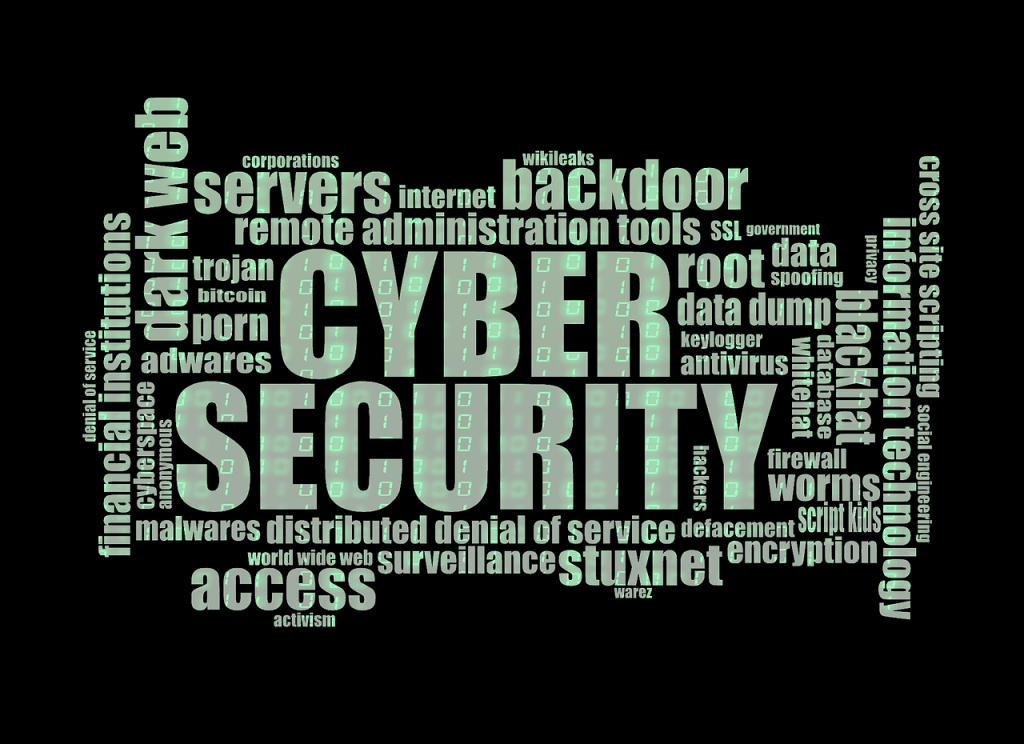
Cybersecurity is the practice of protecting computer systems, networks, devices, and data from theft, damage, or unauthorized access. It involves various measures and technologies designed to safeguard digital assets and ensure the confidentiality, integrity, and availability of information.
Cybersecurity: Safeguarding the Digital Realm
In our increasingly interconnected world, where digital technology permeates every aspect of our lives, the need for robust cybersecurity has never been greater. Cybersecurity is the practice of protecting computer systems, networks, devices, and data from theft, damage, or unauthorized access. It plays a critical role in ensuring the confidentiality, integrity, and availability of information in the digital realm.

The Digital Threat Landscape
Cybersecurity is essential because the threat landscape has evolved significantly. Cybercriminals, hacktivists, and nation-state actors now pose substantial risks to individuals, businesses, and governments. They employ a range of sophisticated tactics to exploit vulnerabilities and breach digital defenses. Let’s explore some key aspects of cybersecurity:

1. Confidentiality: Protecting Sensitive Information
Confidentiality in cybersecurity means keeping information private and accessible only to those with the proper authorization. This is crucial for safeguarding sensitive data such as personal information, financial records, and business secrets. Encryption is a fundamental tool used to maintain confidentiality by encoding data so that it’s unintelligible to unauthorized individuals even if they gain access.
2. Integrity: Ensuring Data Accuracy and Trustworthiness
Data integrity ensures that information remains accurate and unaltered during storage, processing, or transmission. Cyberattacks that compromise data integrity can lead to severe consequences, such as corrupted records or falsified information. Hash functions and checksums are used to verify data integrity by generating unique identifiers (hashes) for files or data sets.
3. Availability: Ensuring Access to Resources
Availability ensures that information and services are accessible and operational when needed. Cyberattacks, like Distributed Denial of Service (DDoS) attacks, aim to disrupt availability by overwhelming systems with traffic, making them inaccessible to users. Redundancy and failover mechanisms are employed to maintain service availability in the face of such attacks.
Common Cyber Threats

To understand the importance of cybersecurity, it’s essential to be aware of the common cyber threats that individuals and organizations face:
- Malware: Malicious software, or malware, includes viruses, worms, Trojans, and ransomware. Malware can infiltrate systems, steal data, or cause damage.
- Phishing: Phishing attacks use deceptive emails or websites to trick users into revealing sensitive information, such as login credentials or financial data.
- Hacking: Unauthorized access to computer systems or networks by exploiting vulnerabilities. Hackers can steal data, disrupt operations, or deface websites.
- Social Engineering: Manipulating individuals into divulging confidential information through psychological manipulation. This can be done through phone calls, emails, or in-person interactions.
- Data Breaches: Unauthorized access to and theft of sensitive data, often for financial gain or to sell on the dark web. Data breaches can lead to severe privacy and financial consequences.
Cybersecurity Measures and Best Practices

To defend against these threats, individuals and organizations adopt cybersecurity measures and best practices:
- Firewalls: Firewalls act as barriers between a trusted internal network and untrusted external networks, controlling traffic flow and blocking unauthorized access.
- Antivirus Software: Antivirus programs scan for and remove malware, helping to protect against viruses and other malicious software.
- Patch Management: Regularly updating software and systems with security patches is crucial to address known vulnerabilities.
- Strong Authentication: Employing strong, unique passwords and enabling multi-factor authentication (MFA) adds an extra layer of security.
- Security Awareness Training: Educating users and employees about cybersecurity risks and safe practices helps prevent social engineering attacks.
- Network Segmentation: Dividing networks into segments or zones with restricted access limits the spread of cyber threats.
- Encryption: Encrypting sensitive data in storage and during transmission ensures that even if attackers gain access, the data remains unreadable.
- Incident Response Plan: Having a well-defined incident response plan in place helps organizations react effectively to security incidents, minimizing damage.
Cybersecurity in Business and Government

Cybersecurity is not just a concern for individuals; it’s critical for businesses and governments. A breach can have far-reaching consequences, including financial losses, damage to reputation, and national security risks.
1. Business Continuity: For businesses, ensuring cybersecurity is essential for maintaining continuity. Downtime caused by cyberattacks can lead to significant revenue losses.
2. Regulatory Compliance: Many industries have specific cybersecurity regulations and standards that organizations must comply with. Non-compliance can result in legal consequences.
3. Protecting Intellectual Property: Businesses invest heavily in research and development. Cybersecurity safeguards intellectual property from theft.
4. Critical Infrastructure: Governments are responsible for safeguarding critical infrastructure like power grids, water supplies, and transportation systems. Cyberattacks on these systems could disrupt daily life and national security.
Challenges in Cybersecurity

Despite advances in cybersecurity practices and technologies, several challenges persist:
- Evolving Threats: Cybercriminals continually develop new tactics and techniques, making it challenging to stay ahead.
- Skills Shortage: There is a shortage of cybersecurity professionals with the expertise needed to defend against sophisticated threats.
- User Behavior: Human error remains a significant factor in cybersecurity breaches, despite awareness efforts.
- Complexity: Modern IT environments are complex, with numerous interconnected systems and devices, making them harder to secure.
The Future of Cybersecurity

The future of cybersecurity will be shaped by emerging technologies and evolving threats:
- Artificial Intelligence (AI): AI is being used to enhance both cybersecurity defenses and cyberattacks. AI-driven security tools can analyze vast amounts of data to detect anomalies and threats in real-time.
- Internet of Things (IoT): The proliferation of IoT devices poses new security challenges. These devices often have limited security features, making them susceptible to compromise.
- Quantum Computing: Quantum computers could potentially break existing encryption methods, leading to the need for quantum-resistant cryptography.
- Cybersecurity Regulations: Governments are likely to introduce more stringent cybersecurity regulations to protect critical infrastructure and personal data.
In conclusion, cybersecurity is a critical field that encompasses various practices, technologies, and strategies aimed at protecting digital assets and information. As our dependence on digital technology grows, so does the importance of robust cybersecurity measures. Individuals, businesses, and governments must work together to stay ahead of evolving cyber threats and ensure the security and privacy of our digital world.

 Shubham Kumar Tech